Vitamin B6: Benefits, Deficiency Symptoms and the Best Sources
Everything about vitamin B6 (pyridoxine): the recommended daily dose, its role in hemoglobin and neurotransmitter synthesis, deficiency symptoms, and the best food sources.
Certified nutritionist specializing in sports nutrition and weight management. Over 8 years of experience in nutritional coaching.
Reviewed by Dr. Ana Popescu . Editorial content, for information only. Not a substitute for medical advice.
In short
Vitamin B6, in its active form of pyridoxal 5-phosphate (PLP), is a coenzyme involved in over 100 enzymatic reactions essential for amino acid metabolism, hemoglobin synthesis, and the production of neurotransmitters like serotonin and dopamine. This guide explains the recommended daily intake, proven benefits - including its role in easing pregnancy nausea - deficiency symptoms, the best food sources, and the risks of excessive long-term supplementation.
What you will learn from this article
- 1The recommended daily allowance is 1.3mg/day for adults under 50, rising to 1.7mg for men over 50, 1.5mg for women over 50, and 1.9mg during pregnancy
- 2Cooked beef liver, tuna, and salmon are among the most concentrated food sources (0.6-1mg/100g), along with chickpeas, potatoes with skin, and pistachios
- 3Isolated deficiency is rare in people with a balanced diet, but can cause microcytic anemia, seborrheic dermatitis, and cheilosis, and is more common in people with chronic alcohol use or chronic kidney disease
- 4Pyridoxine given in doses of 10-25mg, 3-4 times a day, is recommended as a first-line treatment for mild to moderate nausea and vomiting during pregnancy
- 5The safe upper limit set by the NIH for adults is 100mg/day from supplements, though chronic high-dose supplementation can cause peripheral sensory neuropathy
- 6Patients taking isoniazid for tuberculosis treatment need standard vitamin B6 supplementation, because the drug binds to it and inactivates it
What is vitamin B6 and why is it essential?
Vitamin B6 is a water-soluble vitamin that exists in three interconvertible forms - pyridoxine, pyridoxal, and pyridoxamine - along with their phosphorylated variants. The dominant biologically active form is pyridoxal 5-phosphate (PLP), a coenzyme involved in over 100 different enzymatic reactions in the body, most of them related to amino acid metabolism.
PLP is required for the synthesis of the main neurotransmitters - serotonin, dopamine, GABA, and norepinephrine - as well as for hemoglobin synthesis, through the enzyme ALA synthase, the first step in producing heme for red blood cells. It's also involved in gluconeogenesis and in releasing glucose stored as glycogen, through the enzyme glycogen phosphorylase, and contributes, together with vitamins B9 and B12, to homocysteine metabolism.
The body stores modest amounts of vitamin B6, mainly in muscle and liver, but a steady dietary intake remains important to support these essential functions throughout life.
How much vitamin B6 do you need per day?
Vitamin B6 requirements vary by age, sex, and physiological state. Here are the levels set by international nutritional guidelines:
| Group | Recommended Daily Allowance (mg/day) |
|---|---|
| Children 1-3 years | 0.5 mg |
| Children 4-8 years | 0.6 mg |
| Children 9-13 years | 1.0 mg |
| Teenagers 14-18 years | 1.2-1.3 mg |
| Adults 19-50 years | 1.3 mg |
| Men 51+ years | 1.7 mg |
| Women 51+ years | 1.5 mg |
| Pregnant women | 1.9 mg |
| Breastfeeding women | 2.0 mg |
The increased requirement after age 50 reflects studies showing lower blood PLP levels in older adults, even with the same dietary intake as younger adults, likely due to reduced absorption and utilization efficiency. During pregnancy and breastfeeding, the higher requirement supports fetal development and breast milk production.
The proven benefits of vitamin B6
Vitamin B6 has scientifically confirmed roles in several essential body functions:
- Hemoglobin synthesis. PLP is a cofactor for ALA synthase, the first enzyme in the heme production pathway; insufficient intake can contribute to microcytic anemia, similar to that caused by iron deficiency but through a different mechanism.
- Neurotransmitter function. PLP is essential for converting tryptophan into serotonin and glutamic acid into GABA, two critical steps in regulating mood and nerve function.
- Easing pregnancy nausea. Pyridoxine is recommended as a first-line, non-pharmacological treatment for mild to moderate nausea and vomiting during pregnancy, detailed in a dedicated section below.
- Possible relief of premenstrual symptoms. A few controlled studies show a moderate reduction in irritability and mood swings at doses of 50-100mg/day, though the evidence isn't unanimous.
- Immune function. PLP is involved in producing lymphocytes and interleukins, and a prolonged deficiency can impair immune response.
Sources such as the NIH Office of Dietary Supplements confirm vitamin B6's solid role in amino acid metabolism and hemoglobin synthesis, while other potential benefits, such as those on mood, still need extensive research to be considered definitively established.
The best food sources of vitamin B6
Vitamin B6 is found in a wide range of foods, from meat and fish to legumes, potatoes, and fruit:
| Food | Vitamin B6 (mg, approximate) |
|---|---|
| Beef liver, cooked (100g) | ~0.8-1.0 mg |
| Tuna, cooked (100g) | ~0.9 mg |
| Salmon, cooked (100g) | ~0.6 mg |
| Chicken breast, cooked (100g) | ~0.6 mg |
| Boiled chickpeas (100g) | ~0.5 mg |
| Pistachios (28g, a handful) | ~0.5 mg |
| Baked potato with skin (1 medium) | ~0.4 mg |
| Banana (1 medium) | ~0.4 mg |
The useful practical takeaway is that a combination of animal sources (meat, fish) with legumes, potatoes, and fruit easily covers the daily requirement. In many countries, fortified breakfast cereals offer a convenient extra source, especially for people with lower meat or fish intake.
Symptoms of vitamin B6 deficiency
Vitamin B6 deficiency affects hemoglobin synthesis, neurotransmitter function, and skin integrity. Symptoms include:
- Microcytic anemia, caused by impaired heme synthesis, with fatigue and paleness, similar in presentation to iron-deficiency anemia.
- Seborrheic dermatitis and characteristic skin lesions around the eyes, nose, and mouth.
- Cheilosis (painful cracks at the corners of the mouth) and glossitis (tongue inflammation).
- Confusion, irritability, and a mild form of depression, related to PLP's role in neurotransmitter synthesis.
- Reduced immune function, due to PLP's role in producing immune cells.
- In infants, a severe deficiency, historically linked to B6-deficient milk formulas, has been associated with seizures.
Important: isolated vitamin B6 deficiency is relatively rare in people with a balanced diet in developed countries - it almost always occurs together with a deficiency of other B vitamins, and symptoms should be medically investigated to confirm the exact cause.
Who is at higher risk of deficiency?
Certain groups have a significantly higher risk of vitamin B6 deficiency:
- People with chronic alcohol use. Alcohol speeds up PLP breakdown in the body and impairs the vitamin's absorption, a dual mechanism that significantly raises deficiency risk.
- People with chronic kidney disease, especially those on dialysis, who have increased elimination and often reduced dietary intake.
- People with chronic inflammatory conditions, such as rheumatoid arthritis, where sustained inflammation can lower circulating PLP levels.
- People taking isoniazid, a drug used to treat tuberculosis, which directly binds to vitamin B6 and inactivates it - which is why patients treated with isoniazid routinely receive standard B6 supplementation.
- Other medications, such as hydralazine (for high blood pressure) and penicillamine (for rheumatoid arthritis or Wilson's disease), can also lower vitamin B6 levels.
- People with intestinal malabsorption, such as celiac disease or Crohn's disease.
If you fall into one of these categories, talk to a doctor about whether you need a vitamin B6 level evaluation.
Vitamin B6 and pregnancy nausea
Pyridoxine, typically given in doses of 10-25mg, 3-4 times a day, is recommended by obstetric guidelines as a first-line, non-pharmacological treatment for mild to moderate nausea and vomiting in the first trimester of pregnancy. For more severe cases that don't respond to pyridoxine alone, it's often combined with doxylamine, a mildly sedating antihistamine - a combination also available as a prescription product in many countries.
The exact mechanism by which vitamin B6 reduces nausea isn't fully understood, but its effectiveness for this purpose is supported by placebo-controlled clinical trials, which is why it remains one of the most commonly recommended interventions by doctors for mild to moderate pregnancy nausea. Use at the doses mentioned, throughout pregnancy, is considered safe for both mother and fetus.
For severe or persistent nausea, or nausea associated with dehydration (hyperemesis gravidarum), medical evaluation is essential, as additional interventions beyond vitamin B6 supplementation may be needed.
Can you take too much vitamin B6?
The safe upper limit (UL) set by the NIH for adults is 100mg/day, applicable to supplements - there are no toxicity reports from natural food sources, regardless of amount.
The main real risk of chronic high-dose supplementation is peripheral sensory neuropathy - numbness, tingling in the hands and feet, and, in severe cases, difficulty walking. This effect was initially described in clinical cases at very high doses (on the order of grams per day), taken over long periods, but has occasionally been reported at more moderate doses with prolonged use over months or years. For this reason, some European authorities have recommended considerably more conservative safety limits than the American one, and long-term supplementation with doses above a few dozen mg/day should be discussed with a doctor.
An important interaction to keep in mind: high-dose vitamin B6 can reduce the effectiveness of levodopa, a drug used to treat Parkinson's disease, when taken without carbidopa, by activating a peripheral enzyme that breaks down levodopa before it reaches the brain. People on this treatment should talk to their doctor before taking vitamin B6 supplements.
Conclusion: how to meet your daily requirement
Vitamin B6 is essential for hemoglobin and neurotransmitter synthesis, and has a well-documented practical role in easing pregnancy nausea. A practical summary for meeting your requirement:
- Regularly include meat, fish, and legumes - liver, tuna, salmon, chicken breast, and chickpeas easily cover a significant part of the daily requirement.
- Don't overlook potatoes with skin, bananas, and pistachios as secondary sources, especially useful for people with lower meat intake.
- If you have pregnancy nausea, talk to your doctor about pyridoxine as a first-line treatment, before turning to other medications.
- If you're taking isoniazid for tuberculosis, make sure you're receiving standard B6 supplementation, routinely recommended alongside this treatment.
- Avoid chronic, self-directed high-dose B6 supplementation, due to the risk of peripheral neuropathy with prolonged use.
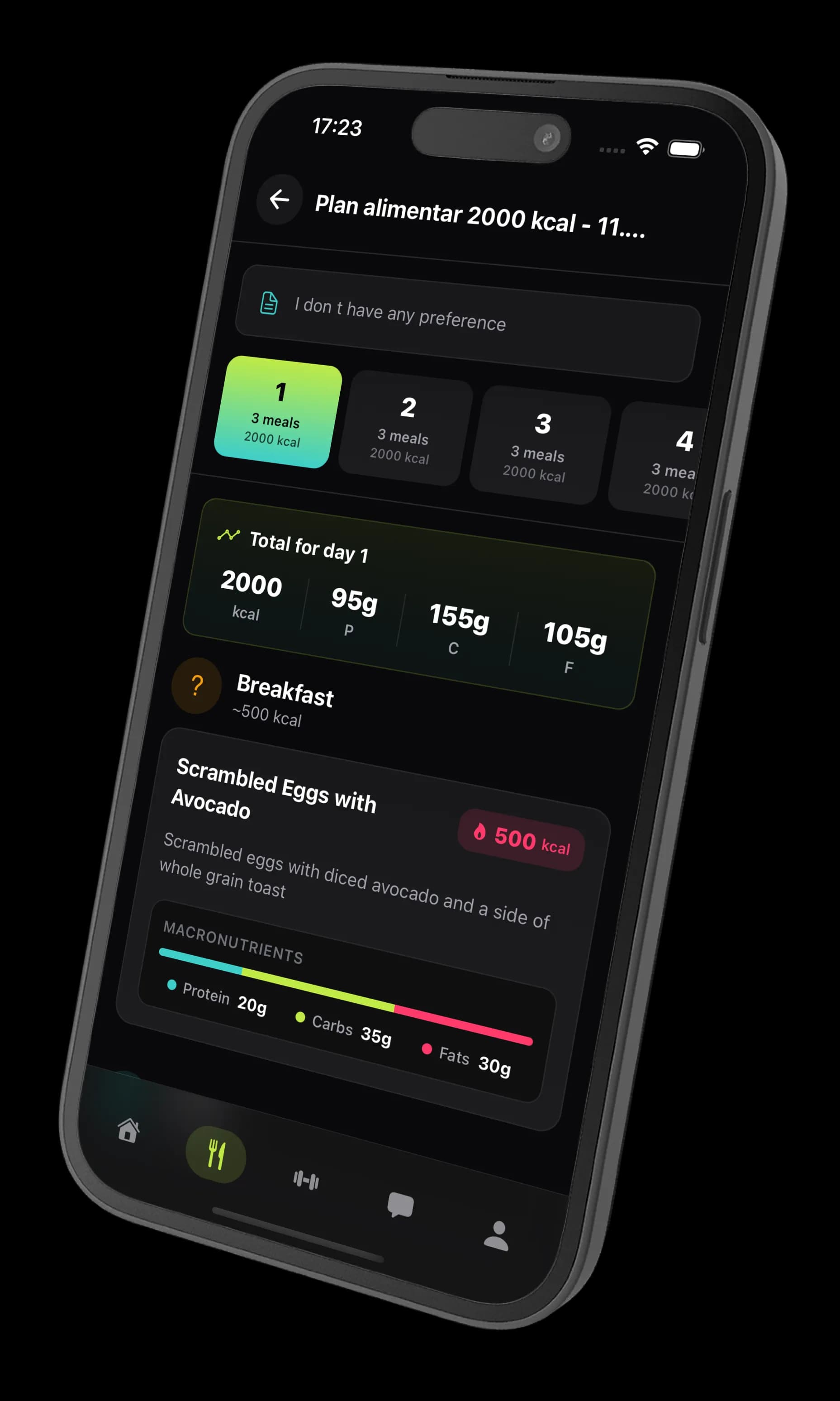
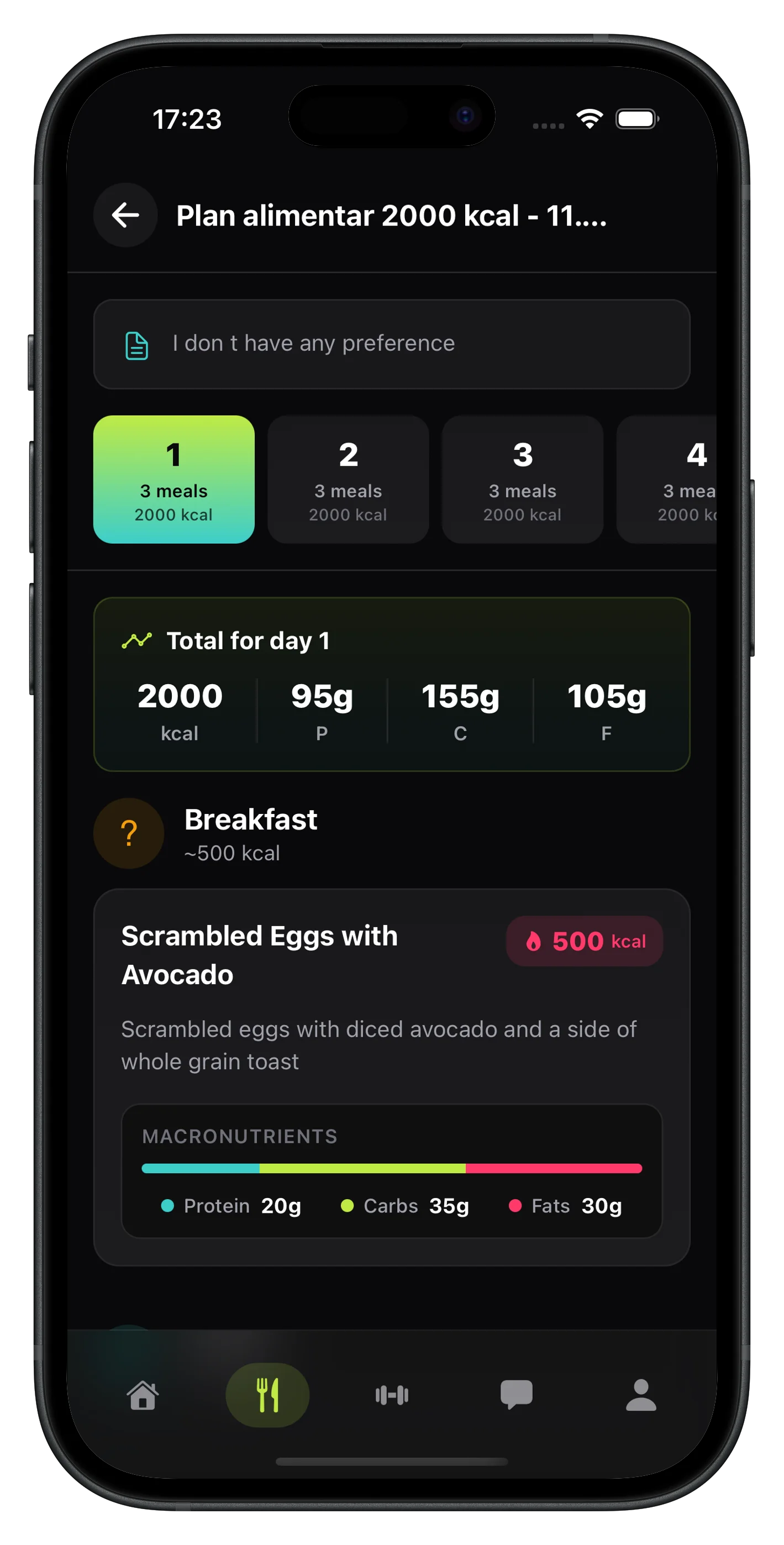
For most healthy people, a varied diet with regularly eaten meat, fish, and legumes covers the vitamin B6 requirement effortlessly. FitAzi can generate personalized meal plans that automatically include balanced sources of B vitamins and other essential micronutrients, without needing to calculate each portion manually.
Frequently Asked Questions
The recommended daily allowance (RDA) for adults aged 19 to 50 is 1.3mg, regardless of sex. After age 50, the requirement rises to 1.7mg/day for men and 1.5mg/day for women, because the efficiency of using the vitamin decreases with age, even when dietary intake stays the same. The requirement increases significantly during pregnancy, to 1.9mg/day, and during breastfeeding, to 2.0mg/day, due to the extra demand for fetal development and milk production. Children need less, from 0.5mg at age 1-3 up to 1.2-1.3mg for teenagers aged 14-18. For most healthy adults, a varied diet with meat, fish, and legumes easily covers this requirement.
Vitamin B6 deficiency affects hemoglobin synthesis and neurotransmitter function, leading to microcytic anemia (similar to that caused by iron deficiency, but through a different mechanism), seborrheic dermatitis and skin lesions around the eyes, nose, and mouth, cheilosis (painful cracks at the corners of the mouth), and glossitis. Confusion, irritability, and a mild form of depression can also occur, along with reduced immune function. Isolated deficiency is relatively rare in people with a balanced diet in developed countries; it almost always occurs together with a deficiency of other B vitamins, and is more common in people with chronic alcohol use, chronic kidney disease, or those taking medications such as isoniazid.
Cooked beef liver and tuna are among the most concentrated sources, with roughly 0.8-1mg/100g. Cooked salmon and chicken breast provide around 0.6mg/100g, making them accessible, commonly eaten sources. Boiled chickpeas contribute about 0.5mg/100g, while a baked potato with skin and a banana provide 0.3-0.4mg per average serving. Pistachios are an unexpectedly good source, with about 0.5mg per 28g serving. Overall, a diet that combines animal sources (meat, fish) with legumes, potatoes, and fruit easily covers the daily requirement without needing supplements in healthy people.
Yes, pyridoxine is recommended by obstetric guidelines as a first-line, non-pharmacological treatment for mild to moderate nausea and vomiting in the first trimester of pregnancy, at typical doses of 10-25mg, 3-4 times a day. For more severe cases, it's often combined with doxylamine, a mildly sedating antihistamine, a combination also available as a prescription product in many countries. The exact mechanism by which vitamin B6 reduces nausea isn't fully understood, but its effectiveness is supported by placebo-controlled clinical trials, and use at these doses during pregnancy is considered safe for both mother and fetus.
A few controlled clinical trials have shown a moderate improvement in premenstrual irritability, mood swings, and tension in women taking vitamin B6 at doses of 50-100mg/day, possibly due to its role in serotonin and dopamine synthesis. The evidence isn't unanimous, though, and some more recent reviews consider the effect modest and inconsistent across studies. It's a low-risk intervention at these doses, well below the 100mg/day safe upper limit, but women considering this option should talk to a doctor, especially if symptoms are severe or persistent, to rule out other causes.
The safe upper limit (UL) set by the NIH for adults is 100mg/day, applicable to supplements, since there are no toxicity reports from natural food sources. The main real risk of chronic high-dose supplementation, over months or years, is peripheral sensory neuropathy - numbness, tingling in the hands and feet, and, in severe cases, difficulty walking - initially described at very high doses and occasionally reported at more moderate doses with prolonged use. Some European authorities have recommended considerably more conservative limits than the American one, so long-term supplementation with doses above a few dozen mg/day should be discussed with a doctor.
Medical Disclaimer
The information presented in this article is for informational and educational purposes only and does NOT replace professional medical advice, diagnosis, or treatment. Always consult a physician or qualified healthcare provider before starting any fitness or nutrition program. Individuals who are pregnant, have pre-existing medical conditions, injuries, or eating disorders should seek medical clearance before following any recommendations on this site. Individual results may vary depending on health status, fitness level, and other personal factors.
Ready to start your transformation?
Download FitAzi and get a personalized workout and nutrition plan, generated by AI in seconds.
Tags:
Dr. Ana Popescu
Certified nutritionist specializing in sports nutrition and weight management. Over 8 years of experience in nutritional coaching.
Article reviewed and verified by the FitAzi team
Foods Mentioned
Related Articles
Iron: Benefits, Deficiency Symptoms and the Best Sources (2026)
Iron deficiency is the most common nutritional deficiency in the world, affecting mostly women, vegetarians, and endurance athletes. This guide explains why you need iron, how many milligrams per day, how to recognize deficiency symptoms, the best food sources, and how to maximize your absorption.
Vitamin B12: Benefits, Deficiency Symptoms and Best Sources (2026)
Vitamin B12 is essential for red blood cells, DNA synthesis and the nervous system, yet it is found almost exclusively in animal foods. This guide explains the daily requirement, deficiency symptoms and causes, who is at higher risk, the best food sources, and how to pick an effective supplement.
Vitamin B9 (Folic Acid): Benefits, Deficiency Symptoms and the Best Sources
Vitamin B9, known in its natural form as folate and its synthetic form as folic acid, is essential for DNA synthesis, cell division, and red blood cell formation, and adequate intake before and during pregnancy prevents serious neural tube defects in the fetus. This guide explains the recommended daily intake, the difference between folate and folic acid, deficiency symptoms, the best food sources, and why excessive folic acid intake can mask a dangerous vitamin B12 deficiency.